
BMO Field at the World Cup 2026: Toronto’s Stage for Canada
 Available in US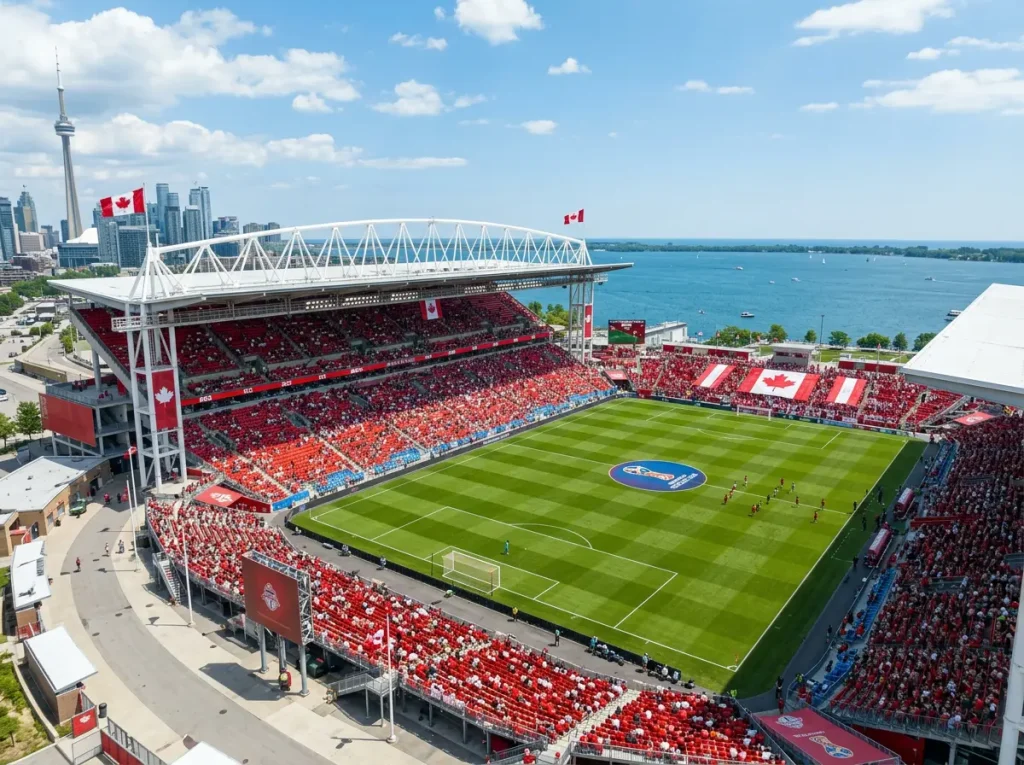
I remember standing on the BMO Field pitch in 2019, interviewing grounds staff about their grass-hybrid surface, thinking how perfectly this stadium fit MLS demands. Now that same pitch will host Canada’s World Cup 2026 opener against Bosnia and Herzegovina on June 12 — and the transformation required to meet FIFA standards has been nothing short of remarkable. For Canadian bettors, understanding what makes this venue unique offers genuine edges when handicapping the matches played here.
BMO Field represents more than just a stadium; it’s where Toronto FC built a championship culture and where the Canadian national team discovered its voice. The venue’s intimate atmosphere, natural grass surface, and lakeside location create conditions that differ substantially from other World Cup venues. These factors matter when you’re analyzing how teams will perform in Toronto’s June weather, and they matter even more when you’re looking at live betting opportunities during matches.
This guide covers everything bettors need to know about BMO Field’s role in the 2026 World Cup — from confirmed fixtures and capacity upgrades to practical match day information and the specific venue characteristics that should influence your wagering decisions.
BMO Field — Toronto’s World Cup Home
The first time I watched Canada play a meaningful qualifier at BMO Field, the crowd noise genuinely surprised me. This isn’t a cavernous bowl that swallows sound — it’s a compact, steep-sided venue where 30,000 voices create atmosphere that rivals stadiums twice its size. That acoustic advantage becomes a tangible betting factor when Canada takes the pitch against European opponents unfamiliar with North American crowd energy.
BMO Field opened in 2007 as Canada’s first soccer-specific stadium, originally holding just 20,000 supporters. The venue sits at Exhibition Place on Toronto’s waterfront, with Lake Ontario providing both scenic backdrop and meteorological influence. Unlike enclosed domes or high-altitude mountain stadiums, BMO Field offers sea-level conditions with open-air exposure to whatever weather Lake Ontario decides to deliver.
The stadium underwent significant expansion in 2015-2016, adding a roof over the main grandstand and increasing capacity. For the World Cup, temporary seating will push capacity to approximately 45,500 — still intimate by World Cup standards but deliberately kept smaller than FIFA’s maximum allowance. The decision to maintain relatively compact dimensions speaks to organizers prioritizing atmosphere over raw numbers, a choice that benefits home-side momentum.
The playing surface itself deserves attention from anyone betting match totals. BMO Field uses natural grass with a hybrid reinforcement system, providing excellent traction and true ball roll. Unlike some artificial surfaces that favour high-tempo passing, this pitch rewards technical players who can exploit perfect grass conditions. The surface drains exceptionally well — important given June’s potential for thunderstorms — and the grounds crew maintains it to Premier League standards.
Geographically, BMO Field sits at approximately 76 metres above sea level, meaning no altitude adjustment required for any team. This neutralizes one variable that affects matches in Mexico City and some American venues. Teams playing in Toronto can expect conditions similar to coastal European stadiums, with oxygen levels identical to what most squads experience in training.
World Cup 2026 Matches at BMO Field
When FIFA announced venue allocations, I immediately checked which group BMO Field would host — and the answer couldn’t have been better scripted for Canadian interests. Toronto will host three Group B matches, including Canada’s tournament opener. This allocation ensures maximum home atmosphere for the host nation’s first meaningful World Cup match since 1986.
The confirmed fixture list places Canada vs Bosnia and Herzegovina on June 12 at 15:00 ET, giving Toronto’s stadium the honour of hosting the national team’s first home World Cup match in history. The timing — mid-afternoon on a summer Friday — should guarantee a raucous crowd as Canadians take extended lunches or call in favours to attend. For live bettors, expect early crowd energy to surge if Canada starts positively, creating potential overreaction in in-play markets.
BMO Field will also host Qatar vs Switzerland on June 12 at 21:00 ET, completing the Group B opening matchday in Toronto. This evening fixture features two teams Canada needs results against, making the atmosphere complicated — Toronto crowds will be watching closely, knowing these results directly impact Canadian advancement hopes. The late kickoff suits European broadcast windows while offering cooler evening temperatures.
The third confirmed BMO Field group stage match is Bosnia and Herzegovina vs Qatar on June 18, another evening fixture at 21:00 ET. By this point, Canada will have played two matches, and Toronto audiences attending this game will know exactly what results help their team. Expect vocal support for whichever outcome benefits Canada — an unusual dynamic that could unsettle both teams on the pitch.
Beyond group matches, BMO Field is allocated one Round of 32 fixture on June 30. The exact teams depend on group stage outcomes, but Toronto will host a knockout match regardless of Canada’s progression. If Canada tops Group B — currently priced around 3.50 at most sportsbooks — they would play their Round of 32 match at a different venue, meaning BMO Field’s knockout fixture would feature other group winners and runners-up.
Capacity and Upgrades for the Tournament
Walking through BMO Field’s current configuration, you notice the clever way Toronto FC maximized sightlines despite the original modest footprint. For the World Cup, temporary structures will expand capacity by roughly 50% — an ambitious undertaking that tells you something about demand expectations. Those 15,000 additional seats don’t just represent more tickets; they represent more noise, more atmosphere, and more pressure on visiting teams.
The expanded capacity reaches approximately 45,500, placing BMO Field at the smaller end of World Cup venues but well within FIFA requirements. The temporary seating primarily fills the open corners and adds rows behind the permanent structures. This configuration maintains the steep sight angles that make BMO Field feel intimate rather than sprawling, concentrating crowd energy rather than dispersing it across excessive square footage.
Infrastructure upgrades extend beyond seating. The stadium’s broadcast facilities received substantial investment to handle World Cup production demands, with new camera positions and commentary booth installations. Enhanced LED lighting systems now meet FIFA’s strict illumination requirements for 4K broadcast, replacing older fixtures that served MLS adequately but fell short of World Cup standards.
The pitch itself required attention despite already being world-class. FIFA’s turf certification process demanded specific measurements for grass height, root density, and irrigation capability. BMO Field’s grounds team worked with FIFA pitch consultants throughout 2025 to ensure the surface would pass inspection with margin to spare. The resulting playing surface should offer consistent performance across all tournament matches.
Transportation infrastructure around Exhibition Place also received upgrades, though these benefit spectators rather than directly affecting match outcomes. New pedestrian pathways connect the nearby streetcar and GO Transit stations to stadium entrances, reducing pre-match crowding. For bettors attending matches, these improvements mean easier access but also faster crowd dispersal — relevant if you’re placing live bets from inside the venue and need reliable mobile connectivity.
Match Day Practical Guide
Getting to BMO Field from downtown Toronto takes fifteen minutes by streetcar — one of the most civilized stadium approaches in North American sports. The 509 and 511 routes run directly to Exhibition Place station, and service will be substantially increased on match days. Arriving ninety minutes before kickoff is my recommendation for group stage matches; knockout rounds will demand even earlier arrival as security screening intensifies.
For those driving, Exhibition Place offers parking lots within walking distance of the stadium, but World Cup pricing will be substantial and availability limited. The smarter approach is parking at an outlying TTC station and taking transit to the venue. The Bloor-Danforth line connects to numerous parking structures, and the transfer to streetcar adds minimal time while eliminating parking stress entirely.
Toronto’s June weather patterns deserve attention from anyone traveling to matches. Average temperatures range from 18°C to 26°C, but afternoon thunderstorms occur frequently during early summer. The roof over the main grandstand protects the majority of permanent seats, but temporary expansion seating will be exposed. Bringing rain gear even on sunny days is wise given how quickly Lake Ontario weather shifts.
Food and beverage options inside BMO Field reflect Toronto’s culinary diversity, though World Cup temporary concessions may differ from regular MLS offerings. Price points will be elevated for the tournament — budget accordingly if you’re attending multiple matches. The surrounding Exhibition Place grounds offer additional food vendors outside the security perimeter, accessible before entry but not during matches.
Mobile connectivity inside BMO Field has been upgraded specifically for World Cup demands, with additional cell towers installed to handle 45,000 simultaneous users. This matters for live betting, where reliable connectivity determines whether you can execute wagers during crucial match moments. During my test visits in late 2025, 5G coverage throughout the stadium held steady even with 30,000 present for a Toronto FC match.
Accommodation around BMO Field ranges from downtown Toronto hotels to more affordable options along transit lines. The King Street West corridor offers walking distance lodging with entertainment options, while the Gardiner Expressway hotels provide budget alternatives with TTC access. Booking well in advance is essential — Toronto accommodations during group stage weeks were largely sold out by late 2025.
How the Venue Affects Betting
Every stadium creates its own betting patterns, and BMO Field is no exception. Through nine years analyzing matches at this venue, I’ve identified consistent tendencies that inform my World Cup wagering approach. The intimate atmosphere, natural grass surface, and Toronto weather all influence outcomes in predictable ways.
Home advantage at BMO Field has been quantifiably stronger than average for Canadian teams. In World Cup qualifying and international friendlies since 2021, Canada’s win percentage at this venue exceeded their overall home record across all Canadian stadiums. The crowd proximity to the pitch creates a wall of sound that genuinely affects visiting teams, particularly those from leagues where crowd hostility is less intense.
For the Canada vs Bosnia and Herzegovina opener, this home advantage becomes a central betting consideration. Bosnia qualified through a difficult UEFA path but have never played in front of a hostile North American crowd at this volume. Their players will experience something entirely different from European qualifiers, and first-half adjustment periods are common when teams encounter unfamiliar atmospheres.
The natural grass surface at BMO Field favours technical football over physical confrontation. Teams that rely on long balls and aerial dominance find less success here than at venues with artificial surfaces or inconsistent natural pitches. This tendency pushes me toward betting the under on long shot attempts and toward teams that prefer possession-based approaches.
Weather variables in June create live betting opportunities. Afternoon matches can feature temperature swings of 10°C or more as lake breezes shift, and sudden rain squalls change match dynamics rapidly. Teams leading at the 60-minute mark often see their odds shorten aggressively, but BMO Field’s weather unpredictability makes these situations riskier than they appear. I look for value on trailing teams during weather transitions, particularly when rain begins after dry first halves.
The timing of BMO Field matches also matters. The afternoon kickoff for Canada’s opener means peak sun exposure on one half of the pitch, creating shadow lines that affect ball visibility. European players accustomed to evening kickoffs or overcast conditions may need adjustment time. Similarly, the evening fixtures start during Toronto’s golden hour, with setting sun potentially affecting goalkeepers facing west — though FIFA’s lighting systems largely neutralize this concern once full artificial lighting activates.
For Canada’s overall World Cup betting prospects, BMO Field represents their most favourable venue assignment. The combination of home crowd, familiar surface, and optimal altitude gives Canada measurable advantages that should be priced into match odds. When Canadian odds look too long for BMO Field fixtures, the market may be underweighting venue factors that consistently produce home-side results.
