
Portugal at the World Cup 2026: Post-Ronaldo Era and Betting Outlook
Loading...
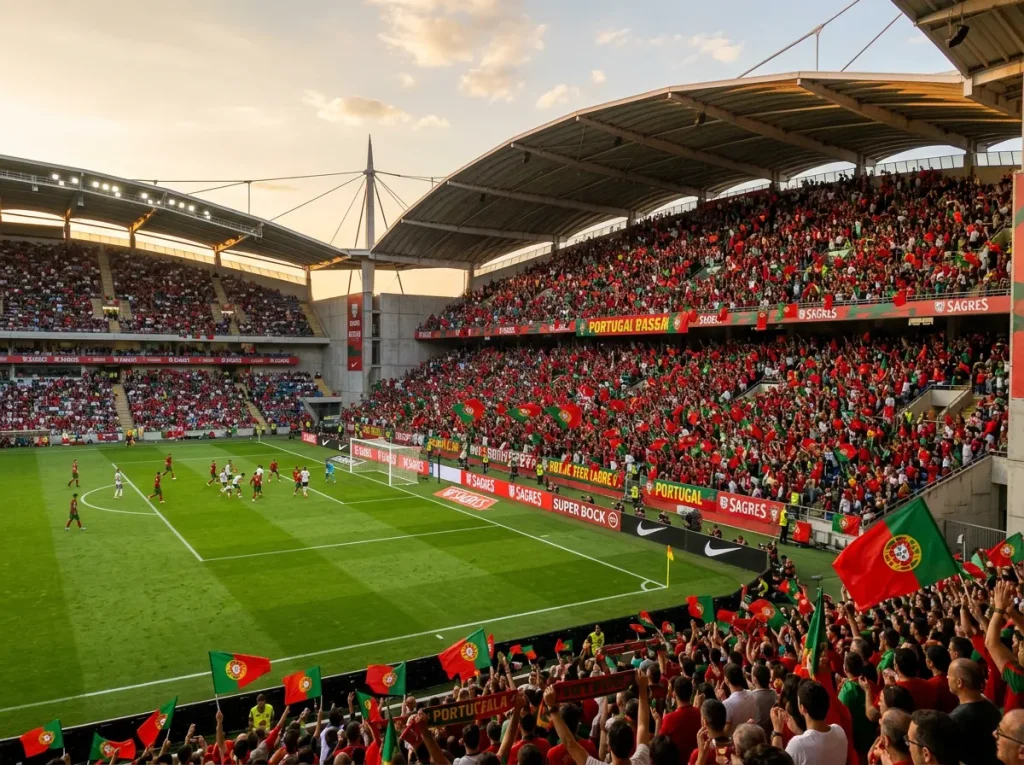
For over two decades, discussing Portuguese football meant discussing Cristiano Ronaldo. His goals, his presence, his influence shaped every tournament assessment. Now, at 41, his international role has evolved from central figure to supporting presence — or perhaps absence entirely. Portugal 2026 represents something genuinely new: a squad that must prove it can compete without relying on the greatest Portuguese player in history.
Portugal world cup 2026 odds reflect this transitional uncertainty. The market prices them outside top-tier favourites, acknowledging talent deficits that Ronaldo’s peak once obscured while recognizing emerging quality that suggests competitive tournament presence. Whether new generation players fill the void that their legendary predecessor leaves determines Portuguese fortunes in ways previous tournaments never tested.
Qualifying and Squad Evolution
UEFA qualification proceeded efficiently despite selection debates that Ronaldo’s status inevitably created. Results demonstrated that Portuguese quality extends beyond any single individual, with passage secured through collective performance rather than individual brilliance. The team has learned to function differently, even if emotional attachment to previous approaches persists.
Euro 2024 provided meaningful assessment of Portugal’s current competitive level. Quarterfinal elimination to France confirmed both genuine quality and limitations against elite opposition. Ronaldo’s involvement created subplots that overshadowed tactical analysis, leaving genuine questions about whether his presence helped or hindered Portuguese performance.
Post-Euro squad evolution accelerated through necessity. Younger players assumed greater responsibility with Ronaldo’s international future uncertain. This transition has produced inconsistent results but also revealed talents who will define Portuguese football’s next chapter. By June 2026, the squad should know its identity more clearly than the confused hybrid that recent tournaments fielded.
Manager tactical approach has adapted to available personnel. Systems that suit current options receive priority over formations designed around previous generations. This pragmatic evolution reflects modern Portuguese football’s reality while honoring traditions that expect technical quality and attacking ambition from national team selections.
Physical preparation for North American conditions received attention given venue differences from European norms. Training camps acclimatized players to June conditions across potential host cities. Managing workload while building fitness that tournament demands requires careful periodization through spring competitive schedules.
Nations League and friendly fixtures provided competitive context that qualification alone cannot offer. Playing against European rivals tested combinations under pressure. These experiences shaped squad selection and tactical understanding that translates to World Cup readiness, even if results varied through preparation cycles.
Key Players Beyond Ronaldo
Bruno Fernandes carries creative burden that Portuguese attack requires. His passing range unlocks defenses from positions that others cannot access. His finishing contributes goals that pure playmakers rarely provide. Manchester United inconsistencies have not diminished international form where different tactical contexts suit his qualities better.
Rafael Leão represents Portuguese football’s explosive future. His pace creates advantages that defenders cannot legally prevent. His dribbling progresses attacks from deep positions into dangerous areas. AC Milan development has refined decision-making that raw talent alone could not provide. Whether Leão consistently delivers in major tournament pressure remains the question his career must answer.
Rúben Dias anchors defense with qualities developed through Manchester City excellence. His positioning eliminates threats before they materialize. His passing contributes to build-up phases that pure stoppers cannot provide. His leadership organizes defensive structures that protect against transitions. Dias gives Portugal defensive foundation that previous generations sometimes lacked.
João Cancelo provides full-back creativity that blurs positional boundaries. His technique from wide areas creates chances through unconventional approaches. His tactical intelligence allows positional flexibility that rigid systems cannot accommodate. Whether Cancelo’s attacking ambition creates defensive vulnerabilities against elite opponents represents trade-off that managers must evaluate.
Midfield options around Vitinha and Palhinha have developed through European club experience. Controlling tempo against quality opposition requires balance between creation and destruction that these players provide. Whether Portuguese midfield can dominate against elite competition determines outcomes that individual brilliance alone cannot guarantee.
Squad depth throughout the roster has improved through generational integration. Younger players accumulated caps that prepared them for tournament intensity. Bench options can impact matches without significant quality drop from starters. This depth matters increasingly in 48-team formats demanding more matches for deep runs.
Set piece quality provides additional attacking dimension. Delivery from Fernandes and others creates threats from dead ball situations. Portugal scored from corners during qualification at rates suggesting organized preparation. Against defensive opponents who limit open play, set piece conversion determines tight margins that skill in open play cannot break.
Goalkeeper position has stabilized through competition that produced reliable options. Diogo Costa provides quality that matches outfield excellence. His distribution contributes to build-up phases that modern goalkeeping requires. Shot-stopping quality maintains standards that Portuguese defensive organization protects without relying upon exclusively.
Group K — DR Congo, Uzbekistan, Colombia
Colombia’s presence transforms Group K into genuine challenge. South American qualification demonstrated quality that reaches knockout rounds consistently. The direct Portugal-Colombia fixture likely decides group winner positioning with bracket implications that affect potential paths to later rounds.
Colombia brings attacking quality through James Rodríguez’s continued influence and younger options who have emerged through domestic and European development. Their organization and tournament experience create competitive match regardless of Portuguese favourite status. This fixture deserves serious attention rather than assumed Portuguese victory.
DR Congo qualified through African pathways demonstrating regional quality. Their organization and individual talents can trouble opponents who approach matches with insufficient respect. Portugal should win but must navigate competitive phases that underestimation would extend dangerously.
Uzbekistan’s Asian qualification earned World Cup presence through regional achievement. Against Portugal, defensive structures will limit damage while seeking opportunities. Portuguese favourites should prevail while accumulating goal difference that tiebreaker scenarios might require.
The fixture sequence affects Portuguese approach to Colombia challenge. Opening against Colombia tests quality immediately under pressure. Building through weaker opponents creates momentum before group-deciding match. Monitor schedule announcements for tactical implications.
Venue assignments create travel considerations affecting preparation. If Portugal group matches spread between distant American cities, accumulated fatigue could factor into performances. Condensed tournament scheduling means less recovery between fixtures than club football provides. Managing these logistics while maintaining competitive intensity tests squad management approaches.
Goal difference could determine group winner if Portugal and Colombia both defeat weaker opponents while splitting points against each other. This scenario makes margin management relevant in fixtures against DR Congo and Uzbekistan. Expect Portugal to push for goals in matches they control, creating over total value where quality differentials suggest early dominance.
Portugal’s Odds and Lines
Transitional status produces odds between 15.00 and 20.00 across major Canadian sportsbooks. These prices imply 5-7% win probability, acknowledging talent limitations while respecting quality that demands consideration among contenders. Portugal sits outside genuine favourites while carrying potential that outright dismissal ignores.
This pricing reflects reasonable assessment of current Portuguese quality. They possess individual talent through Leão, Fernandes, and emerging options that can decide knockout matches. They lack the squad cohesion and tactical clarity that previous generations demonstrated when Ronaldo’s brilliance organized Portuguese play.
Group stage betting offers Colombia intrigue that shapes Portuguese assessment. Portugal to beat Colombia prices around 2.00, reflecting genuine respect for South American quality. Value exists if you believe Portuguese experience eventually overcomes Colombian organization.
Knockout advancement markets provide tiered opportunities. Portugal to reach quarterfinals prices near 1.85, semifinal around 3.50, and final approximately 7.00. Each tier adds substantial uncertainty that transitional status creates. For bettors who believe new generation peaks at right moment, semifinal pricing offers speculative value.
Betting Picks on Portugal
Outright winner at 17.00 represents speculative value requiring favorable circumstances. Portuguese talent can compete but lacks consistency that genuine favourites demonstrate. Backing Portugal requires accepting high variance for potentially substantial returns that successful speculation provides.
Reaching quarterfinals at 1.85 offers more practical assessment. This bet requires navigating Group K and one knockout match — challenging but achievable for Portuguese quality. The pricing suggests 54% probability, which may undervalue their talent if Colombia does not present obstacle that market expects.
Leão player props capture tournament potential that regular season inconsistency obscures. Major competition might unlock performances that club football’s weekly grind constrains. Anytime scorer prices in individual matches may undervalue his involvement given expected Portuguese attacking patterns.
Live betting captures Portuguese patterns. Portugal often controls matches without converting dominance into early goals. Backing Portuguese goals during frustrating phases captures eventual breakthroughs. Their quality eventually tells — patience rewards live bettors who recognize patterns from broader team analysis.
Same-game parlays offer creative value expressions for Portuguese fixtures. Combining Portugal to win, over 2.5 total goals, and Leão anytime scorer prices attractively against Uzbekistan and DR Congo where quality differential suggests attacking dominance. Build conservatively with maximum three legs — tournament variance defeats overconfident construction.
The Colombia fixture deserves separated attention from other group matches. South American quality and historical encounters create dynamics that routine fixtures lack. Consider live betting over pre-match positions given unpredictable nature of matches where organized opposition disrupts expected Portuguese patterns.
Defensive props may offer value given Dias’s quality. Clean sheet odds against Uzbekistan should price attractively based on opponent limitations. Portuguese organizational discipline produces predictable defensive patterns in fixtures where quality differential limits attacking threat against them.
Avoid complex parlays bundling Portuguese outcomes with other tournament results. Transitional status introduces variance that settled squads avoid. Keep Portugal betting isolated until Colombia fixture clarifies competitive positioning. Hedging becomes valuable if Portugal advances through group stage, with small knockout bets against them guaranteeing returns regardless of outcome.
Travel logistics across North American venues affect Portuguese preparation. If group matches spread between distant cities, accumulated fatigue factors into performances. These details shape betting angles beyond talent assessment. Goal difference may determine seeding, so expect Portugal to push for margins against beatable opponents when circumstances allow attacking emphasis.
Team total goals markets warrant attention given Portuguese attacking options. Leão and Fernandes should produce involvement against weaker opponents. Over totals in individual fixtures may price below expectation where quality differential suggests early dominance and sustained attacking pressure throughout matches Portugal should control.
Manager tactical adjustments during matches have improved through tournament experience. Substitution timing and formation changes respond to match dynamics more effectively than previous Portuguese approaches allowed. This in-game flexibility creates comeback potential that pre-match odds may not fully capture, offering live betting value when Portugal trails or matches remain scoreless.